Theory and practice of “urban voids”
DOI:
https://doi.org/10.6092/2281-4574/3013Keywords:
brownfields, industrial dismission, urban planningAbstract
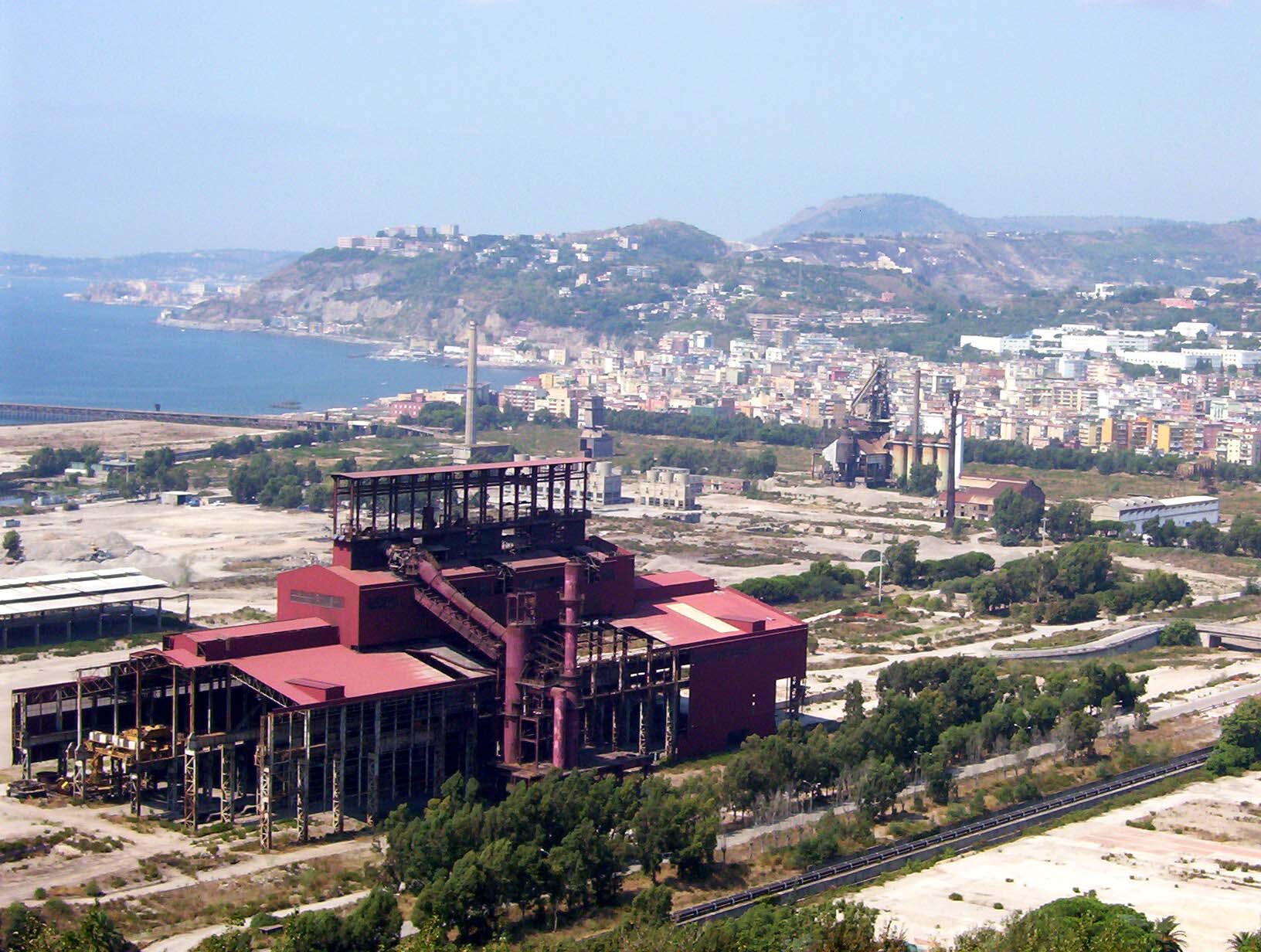
Between 1970 and 1990 the industrial cities of many advanced Countries have suffered a progressive degradation of the urban fabric, consequence in first place of the industrial crisis. The downsizing of the productive activities have caused an acceleration of the processes of decommissioning, which the rapidity of the changes has also contributed in the spatial organization of the tertiary activities. The “vacant land” have started, therefore, to be as important problem, cause of degrade and of the city and the environment and often also of risk for the health and for the ecosystems. Nevertheless, has been evident well soon that the “empty”, close to the problematic aspect, have great potential.
During the nineties, in which is verified a deceleration of the processes of decommiossioning, the interest for the vacant land is also grown weak between the researchers and only at the end of the decade, under the push of the pressing necessity to increase the competitiveness and the quality of the cities, the interest is relighted for the voids. Recently the term “vuoto” has become wealthy of new meanings understanding different typologies of abandoned areas marginal e/o of open spaces, waiting for to be recovered.
Downloads
Downloads
Published
Issue
Section
License
Gli autori che pubblicano su questa rivista accettano le seguenti condizioni:- Gli autori mantengono i diritti sulla loro opera e cedono alla rivista il diritto di prima pubblicazione dell'opera, contemporaneamente licenziata sotto una Licenza Creative Commons - Attribuzione che permette ad altri di condividere l'opera indicando la paternità intellettuale e la prima pubblicazione su questa rivista.
- Gli autori possono aderire ad altri accordi di licenza non esclusiva per la distribuzione della versione dell'opera pubblicata (es. depositarla in un archivio istituzionale o pubblicarla in una monografia), a patto di indicare che la prima pubblicazione è avvenuta su questa rivista.
- Gli autori possono diffondere la loro opera online (es. in repository istituzionali o nel loro sito web) prima e durante il processo di submission, poiché può portare a scambi produttivi e aumentare le citazioni dell'opera pubblicata (Vedi The Effect of Open Access).