Urban regeneration and processes of dismissal of public/military real estate in Italy
DOI:
https://doi.org/10.6092/2281-4574/3014Keywords:
public real estate heritage, military brownfield, urban regeneration, ItalyAbstract
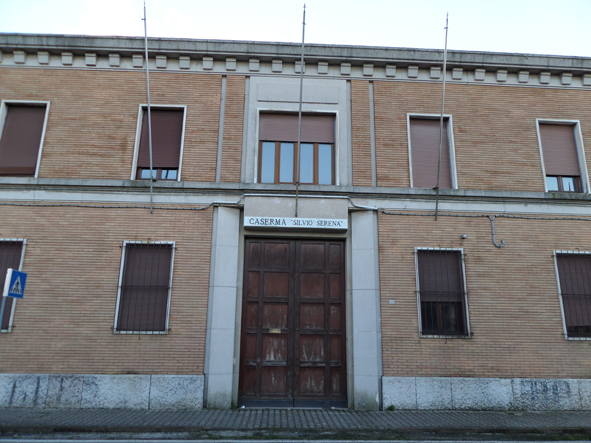
The Italian legislation story about the decommissioning of public real estate heritage, began in the middle of 80’s and continues along the 90’s in a context of State finances persisting problems. In Italy, in many cases the military heritage no longer answers back at the army current needs and it is often located in areas that over time have become marginal in the changed international strategic and logistical framework, as well as being outdated compared at a modern defensive system (or it would require substantial resources for adapting it to new technologies, legislations and standards).Even though some European Countries have been proceeded by a progressive and virtuous put in work of re-qualification processes (by State programs, as the German Stadtumbau Ost and Programm Soziale Stadt, or in terms of European cooperation, as the REPAIR), the Italian case it is characterized by a general situation of high uncertainty and discontinuity in the phase of setup and achievement of policies for alienation and valorisation. This article aims to reconstruct the story of the reuse of Italian public real estate heritage delineating the heterogeneous and complex legislative framework on which is based the process of reuse of goods, mainly for those that were military properties formerly. It is proposed, indeed, a reconstruction of the inertiality that are characterizing the programs promoted by the Italian State and the processes connected by them.
Downloads
Downloads
Published
Issue
Section
License
Gli autori che pubblicano su questa rivista accettano le seguenti condizioni:- Gli autori mantengono i diritti sulla loro opera e cedono alla rivista il diritto di prima pubblicazione dell'opera, contemporaneamente licenziata sotto una Licenza Creative Commons - Attribuzione che permette ad altri di condividere l'opera indicando la paternità intellettuale e la prima pubblicazione su questa rivista.
- Gli autori possono aderire ad altri accordi di licenza non esclusiva per la distribuzione della versione dell'opera pubblicata (es. depositarla in un archivio istituzionale o pubblicarla in una monografia), a patto di indicare che la prima pubblicazione è avvenuta su questa rivista.
- Gli autori possono diffondere la loro opera online (es. in repository istituzionali o nel loro sito web) prima e durante il processo di submission, poiché può portare a scambi produttivi e aumentare le citazioni dell'opera pubblicata (Vedi The Effect of Open Access).