From horror vacui to recreatio urbis Free thoughts on “voids”, with particular reference to urban empty spaces; report on a broken off regenerative experimentation
DOI:
https://doi.org/10.6092/2281-4574/3015Keywords:
horror vacui, recreatio urbis, urban voidsAbstract
“Voids” have no face, no body and no soul, but they contribute towards defining faces, bodies and souls, in a negative or a positive way, in the abstract as in reality, within literature and arts, both in thinking and producing, in housing and living, in appearing and in being.
Starting from this introduction the paper has developed along three directions:
The first one, exploring the concept of “void” in its generic organization into “families” ‒ material and immaterial, physical and psychic, territorial and social, real and virtual families ‒ has focused on the analysis of its positive and negative values, through a free review of theoretical evaluations, sustained by a rational logic, and of behavioural attitudes coming from perceptions which are essentially sensory.
The second direction explores specifically urban empty spaces, ranging in the concreteness of their expression, and “urban planning voids”, analysed against the background of the regulations concerning the evolutive features of the discipline in the last half century.
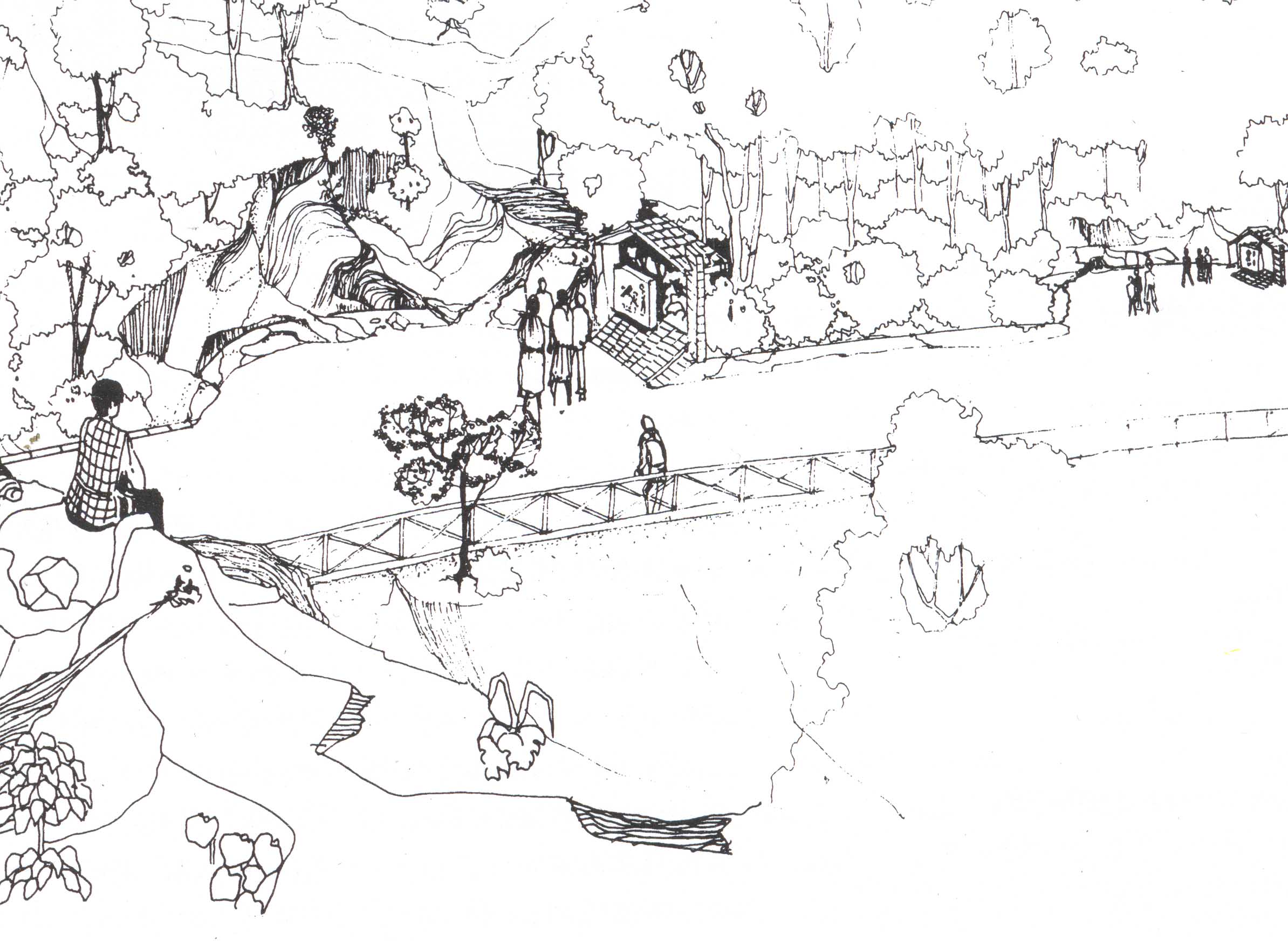
The third is a story, mostly autobiographic, showing a case study aimed at revitalizing a peri-urban territory concerned by a historical stratification of “voids” in conditions of progressive degradation: Monforte hill at Campobasso. The experience, started about thirty years ago, after having passed a difficult but interesting organizing course, has actually as objectives its early assumptions of revitalization, concluding by a marginal intervention which should have been the starting point and not the finishing line.
Downloads
Downloads
Published
Issue
Section
License
Gli autori che pubblicano su questa rivista accettano le seguenti condizioni:- Gli autori mantengono i diritti sulla loro opera e cedono alla rivista il diritto di prima pubblicazione dell'opera, contemporaneamente licenziata sotto una Licenza Creative Commons - Attribuzione che permette ad altri di condividere l'opera indicando la paternità intellettuale e la prima pubblicazione su questa rivista.
- Gli autori possono aderire ad altri accordi di licenza non esclusiva per la distribuzione della versione dell'opera pubblicata (es. depositarla in un archivio istituzionale o pubblicarla in una monografia), a patto di indicare che la prima pubblicazione è avvenuta su questa rivista.
- Gli autori possono diffondere la loro opera online (es. in repository istituzionali o nel loro sito web) prima e durante il processo di submission, poiché può portare a scambi produttivi e aumentare le citazioni dell'opera pubblicata (Vedi The Effect of Open Access).