Filling infrastructures and urban voids with nature: green areas typology
DOI:
https://doi.org/10.6092/2281-4574/3024Keywords:
Environmental heritage, infrastructures, typology, landscapingAbstract
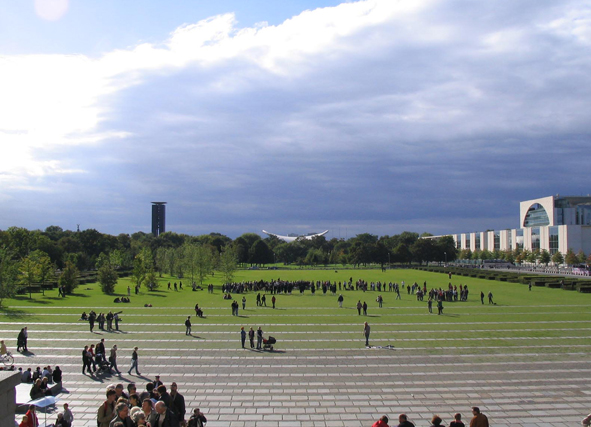
The present paper aims to highlight the variety and the functions of green areas in urban contexts, focusing on those which are related to the infrastructures, as components of the environmental heritage.
The typology is preliminarily studied from the historical viewpoint. Tree avenues represented the oldest example to join vegetation and modern infrastructures. In the mid-19th century, whilst the continental European countries experienced the first planned urban growth, the English and American public parks met further social and health needs, and developed innovative space-use relationships.
Several ecological benefits are offered by green areas in urban environments, including storm-water management, bioclimatic aspects, and biodiversity conservation. Both planting design and management are essential to achieve such results, to ensure that the transport system, the community needs and the plants could coexist in urban environments.
Downloads
Downloads
Published
Issue
Section
License
Gli autori che pubblicano su questa rivista accettano le seguenti condizioni:- Gli autori mantengono i diritti sulla loro opera e cedono alla rivista il diritto di prima pubblicazione dell'opera, contemporaneamente licenziata sotto una Licenza Creative Commons - Attribuzione che permette ad altri di condividere l'opera indicando la paternità intellettuale e la prima pubblicazione su questa rivista.
- Gli autori possono aderire ad altri accordi di licenza non esclusiva per la distribuzione della versione dell'opera pubblicata (es. depositarla in un archivio istituzionale o pubblicarla in una monografia), a patto di indicare che la prima pubblicazione è avvenuta su questa rivista.
- Gli autori possono diffondere la loro opera online (es. in repository istituzionali o nel loro sito web) prima e durante il processo di submission, poiché può portare a scambi produttivi e aumentare le citazioni dell'opera pubblicata (Vedi The Effect of Open Access).