A field-based learning experience in the time of Covid-19
DOI:
https://doi.org/10.6092/2281-4574/7597Abstract
Increasingly complex knowledge, new technologies, global-scale know-how needs to be translated on the local scale, to be truly effective. In this scenario, the role of the university is to codify this path into cognitive and practical terms, combining educational and training objectives with the knowledge transfer at the local level, as part of the third mission, by offering field-based learning.
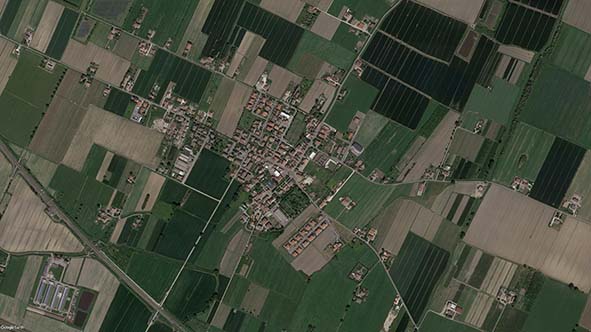
This approach has been adopted in recent years in the Urban Planning Techniques courses held within the Unique Cycle Master degree in Building Engineering and Architecture at the University of Bologna where, in the a.y. 2019/2020, it was proposed to students to measure themselves on a real case study such as the drafting process of the new General Urban Plan of the Municipality of Castelfranco Emilia (MO). However, the ongoing unexpected Covid-19 pandemic has challenged the teaching and planning process. It has imposed limitations and outlined new challenges, but at the same time it has allowed - both students and civil servants - to explore the opportunities offered by the digital resources available and by the panoramic navigation tools within the built environment, which have revealed some key potentials that so far have been only partially explored. Therefore, this paper intends to show, through a real case application, how the digitization of information and the new methodologies for teaching urban planning techniques can contribute to improve the accuracy of the knowledge available at the micro/ building scale, which is at the basis of the definition of tailored regeneration practices.
Downloads
Downloads
Published
Issue
Section
License
Gli autori che pubblicano su questa rivista accettano le seguenti condizioni:- Gli autori mantengono i diritti sulla loro opera e cedono alla rivista il diritto di prima pubblicazione dell'opera, contemporaneamente licenziata sotto una Licenza Creative Commons - Attribuzione che permette ad altri di condividere l'opera indicando la paternità intellettuale e la prima pubblicazione su questa rivista.
- Gli autori possono aderire ad altri accordi di licenza non esclusiva per la distribuzione della versione dell'opera pubblicata (es. depositarla in un archivio istituzionale o pubblicarla in una monografia), a patto di indicare che la prima pubblicazione è avvenuta su questa rivista.
- Gli autori possono diffondere la loro opera online (es. in repository istituzionali o nel loro sito web) prima e durante il processo di submission, poiché può portare a scambi produttivi e aumentare le citazioni dell'opera pubblicata (Vedi The Effect of Open Access).