No. 21 (2018): The urban planning fragility of the in-between city
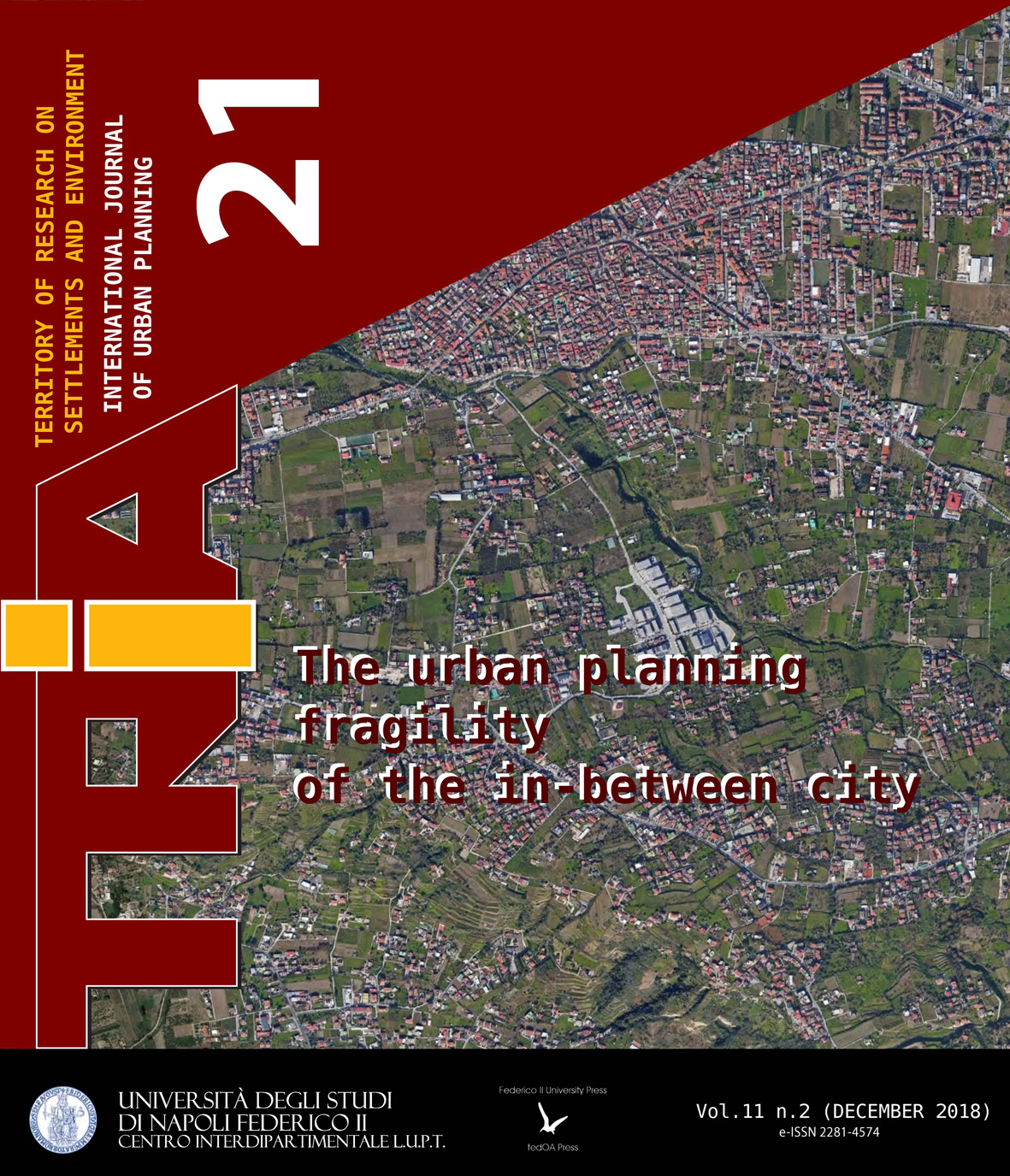
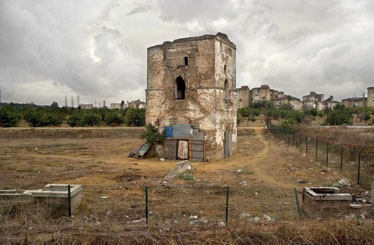
Urban decay regards not only the urban agglomeration - particularly the central area where the richness of its historical, architectural and artistic heritage represents the driving force of its social, economic and cultural vitality - nor the social housing neighbourhoods in the peripheries widely investigated in the last four decades, but above all the fragmented areas developed in-between the two mentioned models. The “in-between city” represents an intermediate area where the abandonment of agriculture has left spaces to unplanned models of settlements, such as the residential illegal housing (in Italy often defined as “illegal construction for necessity"), or the property and building speculation raised after the Second World War, often supported by the absence of planning governance.
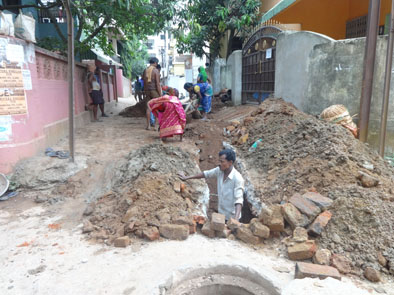
The growth of these neglected spaces, which we define “in-between city”, produced an indeterminate space characterized by precarious neighbourhoods, without planning and urban design strategy, not even involved in restoration, renovation and rehabilitation (environmental, social, economic and cultural) of the settlement asset. Nevertheless, the "in-between city", as a product of the failure of urban planning and design, has independently developed with the same fragility that has marked its genesis, remaining in silent expectation for a newly positive role of socio-economic and cultural mediation into the wider urban system through adequate projects.
Published:
2018-12-31