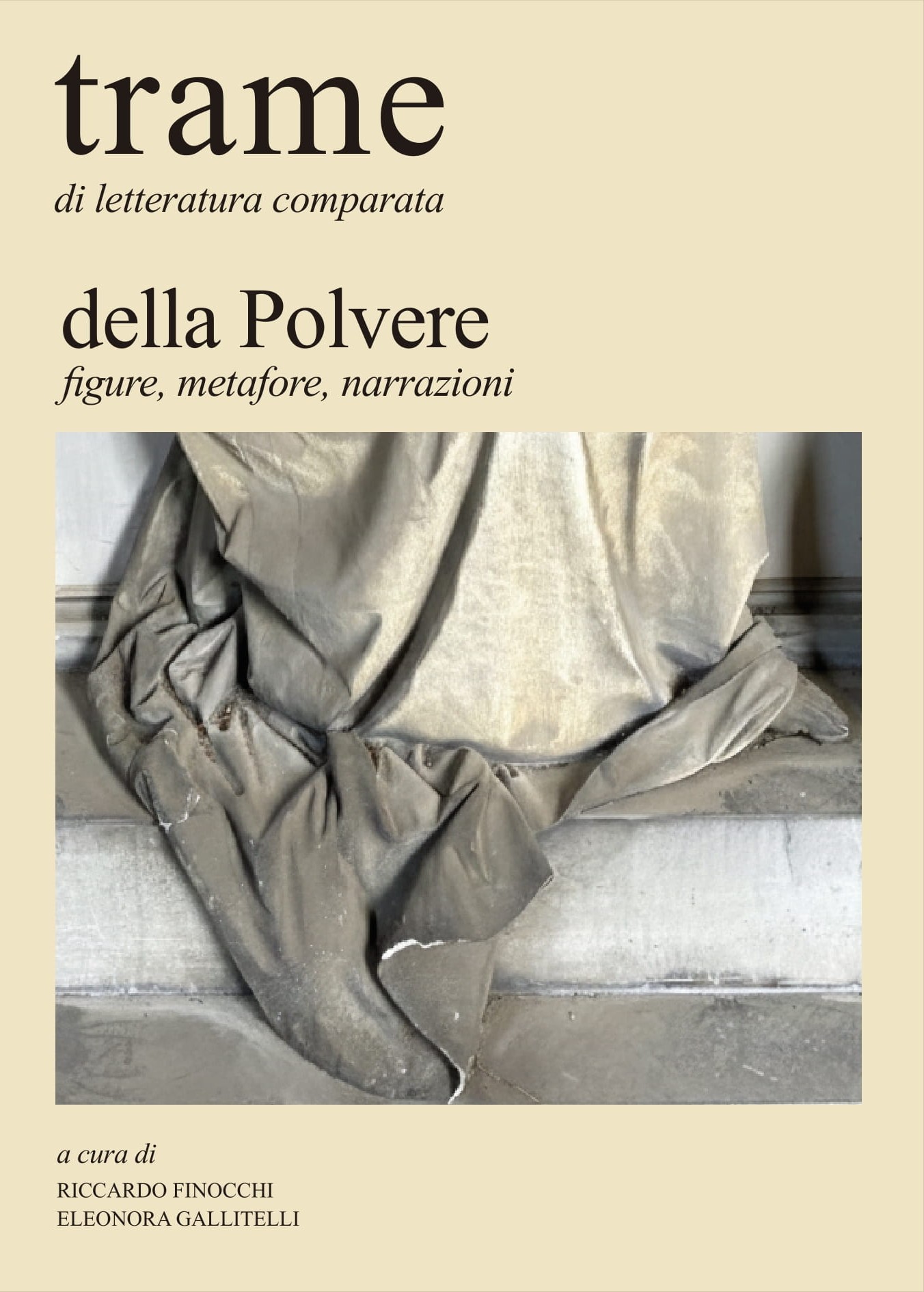
Pulvis et umbra
DOI:
https://doi.org/10.6093/1720-5417/13287Parole chiave:
Pulvis, Horace, Transience of Human Life, DustAbstract
This article analyzes Horace’s Odes IV.7 focusing on the poem’s abrupt shift from an idyllic spring landscape to a meditation on human mortality. While the cyclical renewal of nature compensates for its own losses, human life follows a linear course that ends irrevocably in death. Central to this reflection is the famous sententia pulvis et umbra sumus, whose originality lies in its fully metaphorical construction. Through comparison with Greek precedents in Pindar, Sophocles, and Euripides, the
study highlights Horace’s distinctive reworking of traditional imagery. Drawing on Eduard Fraenkel’s interpretation, the essay shows how the poem gradually darkens in tone, transforming seasonal change into a profound meditation on the fragility and finitude of the human condition.