The relict deposits of the Cilento offshore (Southern Tyrrhenian Sea, Italy) based on seismo-stratigraphic data
DOI:
https://doi.org/10.6093/2724-4393/12459Keywords:
relict deposits, seismo-stratigraphic units, Cilento offshore, Southern Tyrrhenian Sea, ItalyAbstract
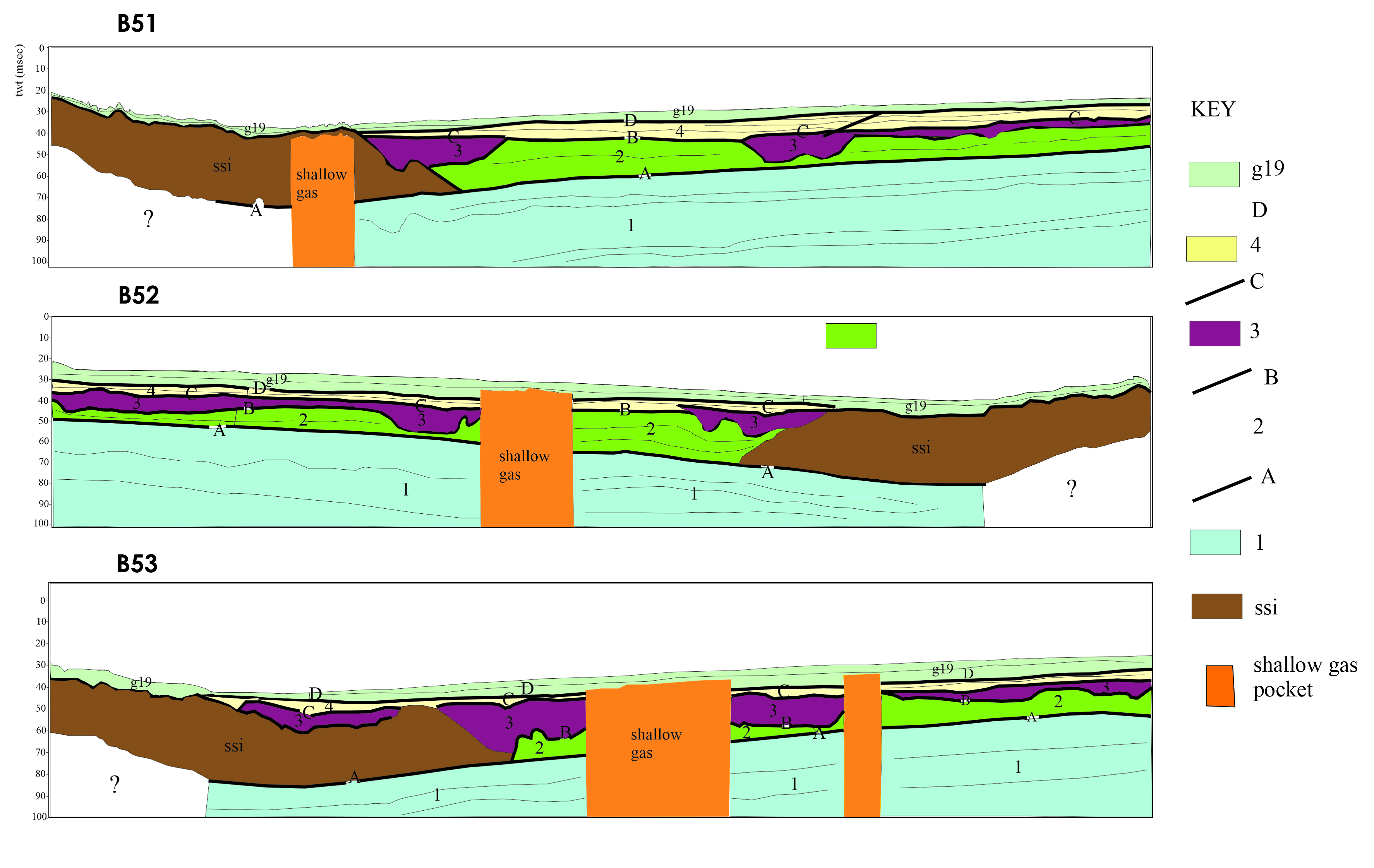
Relict deposits (palimpsest and lowstand) deposits of the Cilento continental shelf were analyzed. Sub-bottom Chirp seismic sections were interpreted and calibrated with core data, previously known in literature. General seismo-stratigraphic framework has shown four main seismo-stratigraphic units, genetically related to the Cilento Group. The stratigraphic record of the palimpsest and lowstand deposits of the Cilento continental shelf is punctuated by significant stratigraphic surfaces, including the ravinement and the erosional surface of the acoustic basement, involved by wave-cut submarine terraces, carving the submerged portion of the Cilento Group. A seismo-stratigraphic unit with prograding clinoforms has been identified based on the seismo-stratigraphic interpretation and interpreted as genetically related to the MIS 4. These deposits are overlain by a seismo-stratigraphic unit, which is composed of coarsegrained organogenic sands, interpreted as relict sands, based on
core calibration. The vertical stacking of these seismo-stratigraphic units forms sandy ridges (water depths of 130 m- 140 m), interpreted as submerged beach deposits, genetically related to the MIS 2 (Last Glacial Maximum; starting date 29 ky B.P.).
Downloads