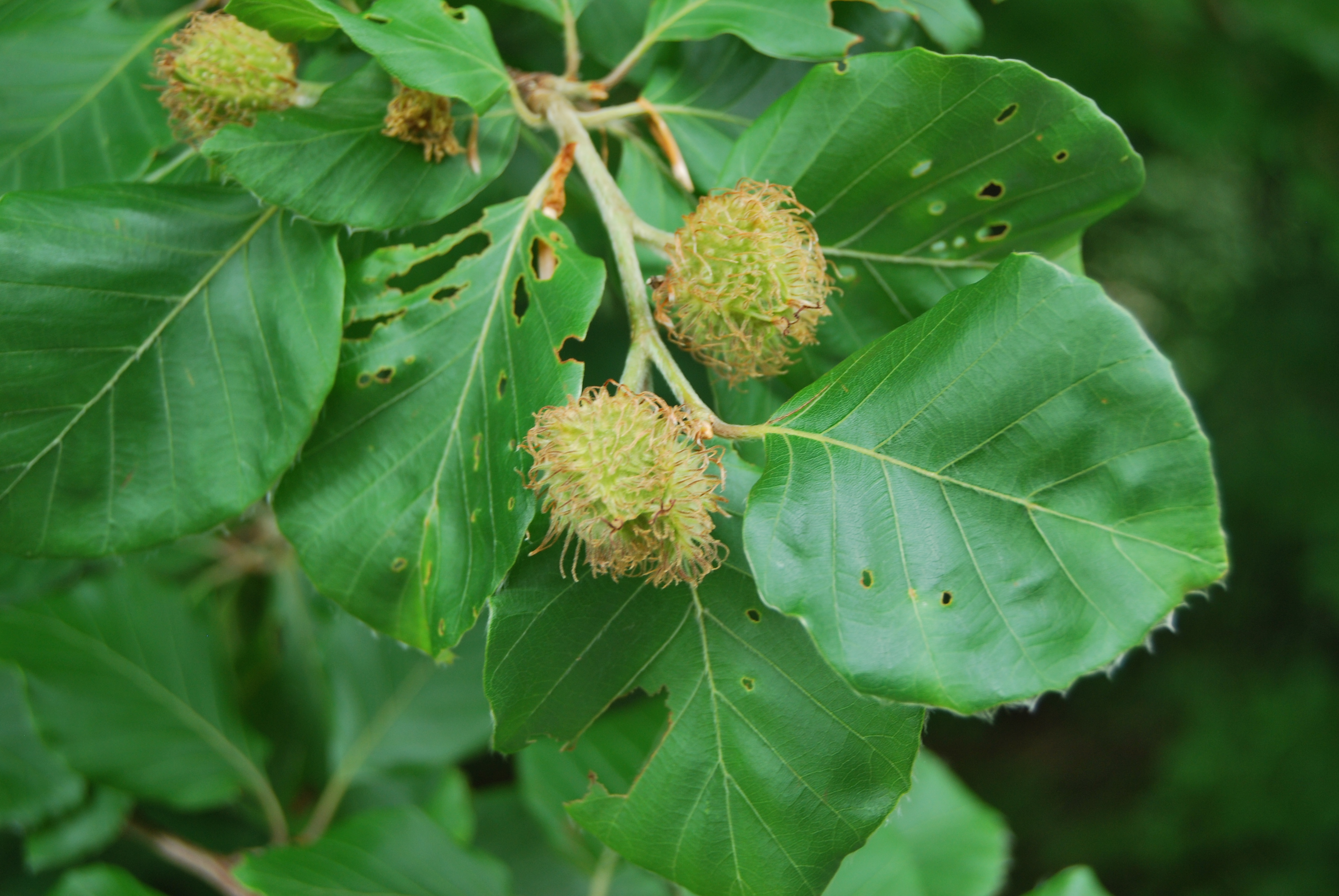
Heterotopic European beech (Fagus sylvatica L.) stands on Roccamonfina volcano and adjacent areas (Campania-Latium, central- southern Italy): presence assessment and conservation issues
DOI:
https://doi.org/10.6093/2724-4393/12857Keywords:
european beech (Fagus sylvatica L.), Heterotopic popu-lations, Campania, Latium, Roccamonfina volcano, vegetation, con- servation ecologyAbstract
Heterotopic populations of Fagus sylvatica L. occurring outside their ecological optimum represent valuable indicators of paleoclimatic continuity and ecological resilience. This study reports and analyzes such beech populations in the Roccamonfina Volcano and adjacent limestone massifs (Monte Maggiore, Monte Cesima, Monte Sammucro) located in Campania and adjacent Latium (central-southern Italy). Through extensive floristic surveys and 20 phytosociologicalrelevés, the study documents the presence, structure, and ecological features of these stands, many of which had not been previously recorded in scientific literature. Multivariate analyses (PCA andCluster Analysis) reveal floristic patterns shaped by substrate type,elevation, and disturbance regimes. The vegetation is interpretedwithin the framework of Italian syntaxonomy, with most communities corresponding to Habitat 9210* (Apennine beech forests withTaxus and Ilex), despite the absence of Taxus baccata. Several rareand conservation-relevant species were identified, including nativeorchids and regionally rare taxa such as Lilium martagon and Acercappadocicum subsp. lobelii. The study highlights the precariousconservation status of many of these populations, despite their location within protected areas, pointing to inadequate management practices and threats from logging and infrastructure development.These isolated and relict beech stands are of high biogeographic and conservation value and should be prioritized in regional biodiversity strategies.
Downloads