Amphibian conservation through captive breeding: the case of the harlequin toads (Anura, Bufonidae, Atelopus)
DOI:
https://doi.org/10.6093/2724-4393/13046Keywords:
Amphibian decline, Atelopus, harlequin toads, ex situ conservation projectsAbstract
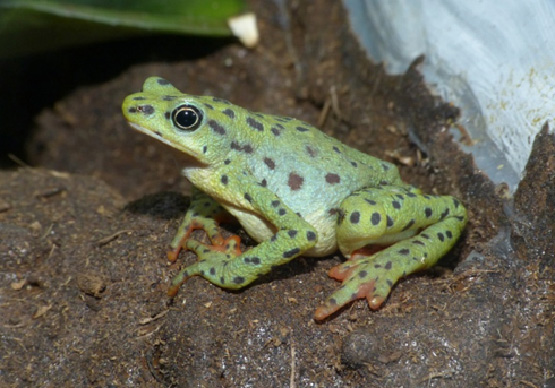
Amphibians are the most threatened class of terrestrial vertebrates: approximately 41% of species are on the brink of extinction or in decline due to habitat loss, climate change, and emerging diseases. Projects involving ex situ and in situ conservation are crucial to preserving the integrity and future of many amphibian populations and species. This paper reviews some of the conservation initiatives developed for species in the genus Atelopus (Amphibia, Bufonidae). It also focuses particularly on ex situ conservation activities carried out for A. balios, providing an overview of the results.
Downloads
Download data is not yet available.
Downloads
Published
2025-12-24
How to Cite
Borsa, P. M., Ackermann, T., Guarino, F. M., Biggi, E., & Andreone, F. (2025). Amphibian conservation through captive breeding: the case of the harlequin toads (Anura, Bufonidae, Atelopus). Bulletin of Regional Natural History, 5(2), 46–56. https://doi.org/10.6093/2724-4393/13046
Issue
Section
Articoli